Eco-Friendly Custom Costume Design for Themed Party Events
1. Introduction to Custom Costume Design
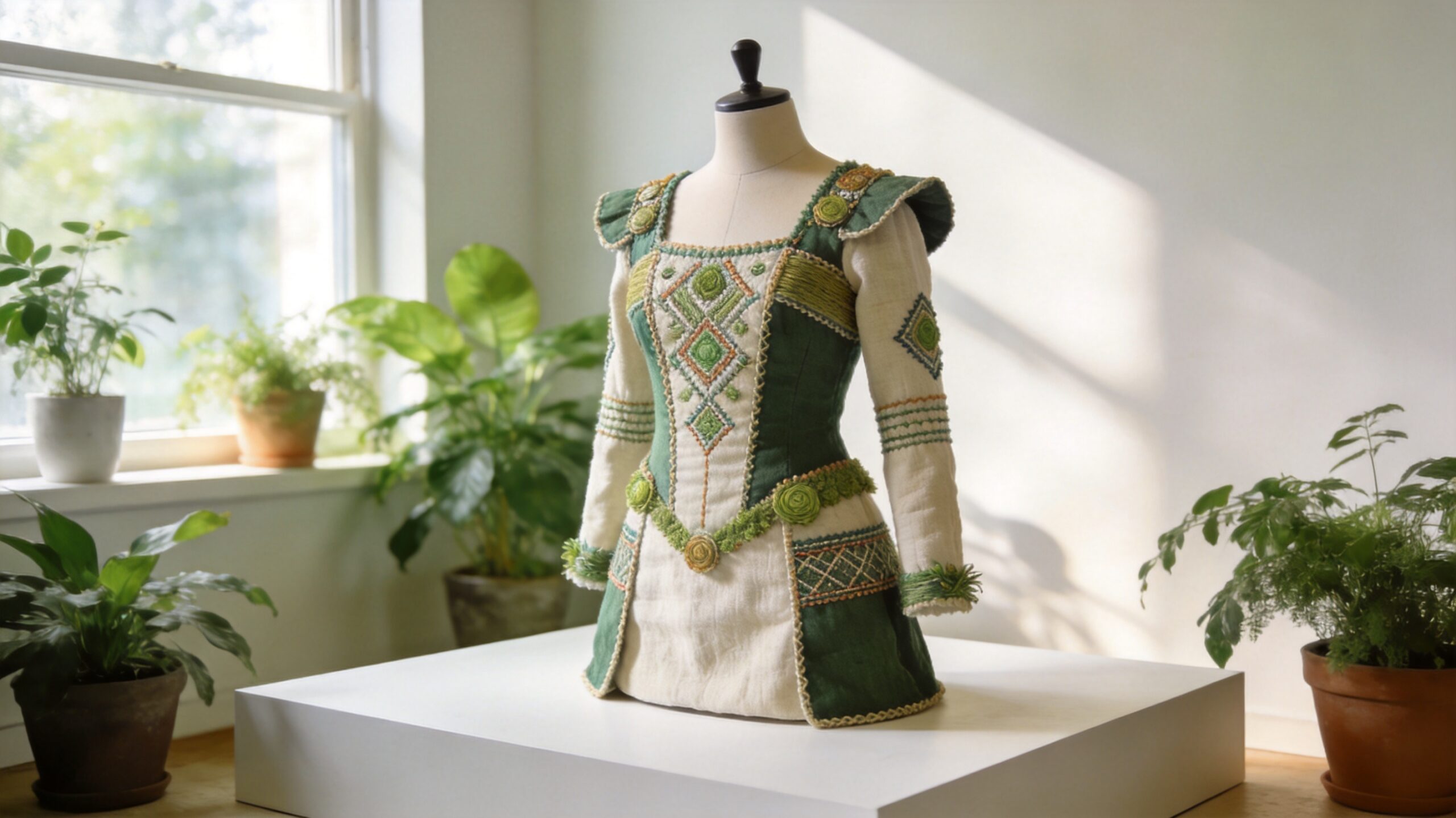
In the competitive landscape of events and parties, customization plays an essential role. Custom costume design allows businesses to craft unique and memorable experiences, especially during themed gatherings. By tailoring costumes to resonate with specific themes, companies not only enhance their brand identity but also foster a sense of belonging and excitement among attendees.
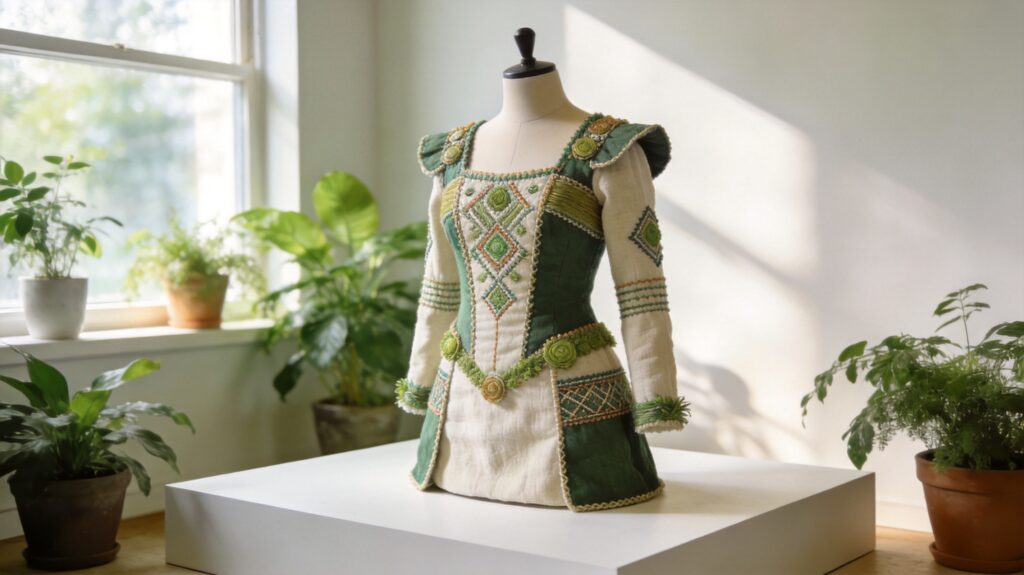
Additionally, the growing trend toward sustainability has transformed costume design practices. Embracing eco-friendly materials aligns with contemporary environmental values and appeals to a demographic increasingly focused on sustainable practices. This article delves into the merging of custom costume design and eco-friendly materials, underscoring their importance in creating impactful themed party costumes.
2. Benefits of Themed Party Costumes
Themed party costumes are crucial in enhancing the overall experience of an event. When guests don costumes that fit the theme, it cultivates unity and engagement, making the occasion more enjoyable. This collective participation often leads to increased social interactions, creating lasting memories for everyone involved.
Moreover, themed costumes can significantly elevate brand recognition. When businesses invest in custom costume design, they not only promote the event but also reinforce their brand image. Striking, themed costumes serve as a visual representation of a company’s values and mission, making it easier for attendees to associate the experience with the brand long after the event concludes.
3. Eco-Friendly Materials in Costume Design
As the demand for sustainability rises, the incorporation of eco-friendly materials in costume design has gained momentum. A variety of sustainable fabrics are now available, including organic cotton, hemp, and recycled polyester. These materials not only lessen the environmental impact of costume production but also offer unique textures and qualities that can enhance the overall design.
The advantages of using eco-friendly materials extend beyond environmental concerns. Many sustainable fabrics are hypoallergenic and more comfortable to wear, offering a superior experience for event attendees. By choosing eco-friendly costumes, businesses can showcase their commitment to sustainability while ensuring that guests feel good in what they wear.
4. Custom Costume Design Specifications
The design process for custom costumes typically begins with a consultation to grasp the client’s vision and requirements. This collaborative approach enables designers to create costumes that meet aesthetic expectations while also aligning with the event’s theme and branding.
Key considerations for customization encompass material selection, costume functionality, and wearer comfort. Designers must ensure that costumes are not only visually appealing but also practical for their intended use. Factors such as ease of movement, temperature control, and durability are crucial, especially for events that may extend over several hours.
5. Use Cases for Custom Costumes
Custom costumes are incredibly versatile and can be deployed in various settings, including corporate events, promotions, themed parties, and festivals. During corporate gatherings, costumes can act as a branding tool, helping to establish a cohesive image that resonates with attendees. For themed parties and festivals, custom costumes can elevate the overall experience, encouraging guests to embrace the theme and engage with one another fully.
Beyond enhancing the event atmosphere, custom costumes also serve as effective marketing tools. When attendees share photos of themselves in these unique costumes on social media, it creates organic promotion for the brand, reaching a broader audience.
6. Comparing Eco-Friendly vs. Traditional Costumes
When assessing the cost of eco-friendly costumes against traditional options, it’s vital to consider both initial investment and long-term benefits. While eco-friendly materials might come with a higher upfront cost, the long-term savings associated with durability and reduced environmental impact can make them more cost-effective over time.
From an environmental perspective, traditional costumes often rely on synthetic materials that contribute to pollution and waste. In contrast, eco-friendly costumes are designed with sustainability in mind, minimizing their carbon footprint and promoting responsible consumption.
7. Sourcing Eco-Friendly Costume Materials
Identifying reliable suppliers for eco-friendly costume materials is essential for businesses aiming to adopt sustainable practices. Thorough research and vetting of potential suppliers are crucial to ensure they adhere to sustainable practices and provide high-quality materials.
Certifications such as Global Organic Textile Standard (GOTS) and OEKO-TEX® can aid businesses in identifying suppliers that prioritize sustainability. These certifications ensure that materials are produced in an environmentally friendly manner and meet specific safety standards.
8. Implementation of Custom Costume Projects
The timeline for the design and production of custom costumes can vary based on design complexity and materials used. Typically, businesses should allow several weeks for the design process, including revisions and final approvals.
Collaboration with experienced designers is vital to ensuring a smooth implementation process. By working closely with designers, businesses can ensure their vision is accurately translated into the final product, resulting in costumes that effectively represent their brand and theme.
9. Frequently Asked Questions
– What is the average cost of custom costumes?
The cost of custom costumes can vary widely based on design complexity, materials used, and quantity ordered. On average, businesses can expect to invest anywhere from $100 to $500 per costume.
– How long does the design process take?
The design process typically takes between 4 to 6 weeks, depending on specific requirements and material availability. It’s advisable to start the process early to accommodate revisions or unforeseen delays.
In conclusion, custom costume design offers a unique opportunity for businesses to enhance their themed parties while embracing eco-friendly practices. By investing in sustainable materials and thoughtful design, companies can create memorable experiences that resonate with their audience and reflect their commitment to the environment. For further insights on custom costume design, refer to this industry reference on AZoM.